Things to Do in Congo in September
September weather, activities, events & insider tips
Low Season · Budget Friendly
September Weather in Congo
Long-run averages for September in Brazzaville
87°F (30°C)
High Temp
71°F (21°C)
Low Temp
1.7 inches (43 mm)
Rainfall
68%
Humidity
10
Sunny-Day UV
⚠ Late September marks the onset of the wet season transition. Sudden afternoon thunderstorms can arrive with little warning. These tend to be intense but brief. Thirty to forty-five minutes of heavy rain followed by clearing. Unpaved roads turn to mud rapidly. Travelers heading to northern parks in the final week of September should confirm road conditions with their operator before departing. Plan ahead.
⚠ Congo is a year-round malaria zone. September's transitional weather increases mosquito activity. Standing water returns after the dry season. Prophylaxis is strongly recommended regardless of itinerary. Long sleeves and repellent at dusk are not optional. Consult a travel medicine specialist at least six weeks before departure. Do not delay.
Is September Right for You?
Weigh the advantages and considerations before booking
Advantages
- + September marks the definitive end of Congo's dry season. The shift from wet months stands out clearly. Brazzaville receives just 1.7 inches (43 mm) of rain. November brings 10.4 inches (264 mm) instead. Rain waits. Trail paths at Odzala-Kokoua and Lesio-Louna stay solid. Weather holds firm. River fords remain easy. Laterite roads that become axle-deep mud by November stay passable now. You need September to reach Congo's interior parks without a bush plane. It remains your final comfortable window before heavy storms arrive.
- + Wildlife viewing peaks when water is scarce. Water is scarce. September delivers exactly that. Forest elephants and western lowland gorillas in the northern reserves concentrate near the remaining streams and bais. These marshy clearings are natural gathering points in the Congo Basin forest. Tracker guides at Odzala-Kokoua report some of their best sighting days in late August through September. The canopy thins just enough. Sun rises high. Afternoon light reaches the forest floor. Animals linger at water sources rather than dispersing through saturated forest.
- + Humidity in Brazzaville drops to around 68% in September. The drop feels low only when you compare it to the 83% that blankets the city in November and December. The mornings are pleasant. You get 21°C (71°F) lows with a light breeze off the Congo River. The equatorial sun ramps things up later in the day. Air feels light. Winds shift. For a place that sits nearly on the equator, September air feels surprisingly breathable. Evenings cool down fast. Sitting outdoors past sundown is comfortable rather than punishing.
- + Congo receives almost no international tourists in any month. September proves quieter still. You will likely be the only foreign visitor at Brazzaville's Poto-Poto art market on any given day. Gorilla tracking permits at Lesio-Louna rarely sell out. This means flexibility. Itineraries can shift without the rigid advance-booking pressure you face at East African parks. Local guides tend to have more time to spend with smaller groups. The solitude in the forest reserves is absolute. You will easily hear your own breathing between birdcalls. Peace reigns.
Considerations
- − Congo is one of the most expensive countries in Central Africa for travelers. September does nothing to change that. Prices stay high. Costs climb. Internal flights between Brazzaville and the northern parks run infrequently and at a premium. Accommodation outside the two main cities ranges from basic to nonexistent. The handful of ecolodges near Odzala-Kokoua and Nouabale-Ndoki charge rates that rival high-end East African safari camps. Budget travel here is not possible in any meaningful sense. The infrastructure simply does not support it.
- − Visa logistics remain cumbersome. Expect delays. The Republic of Congo requires most nationalities to secure a visa in advance through an embassy. The process is slow, paperwork-heavy, and sometimes unpredictable. Letters of invitation, hotel confirmations, and proof of yellow fever vaccination are typically required. Allow a minimum of six to eight weeks before your departure date. You must build in contingency time. This is not a destination for spontaneous booking.
- − September marks the transition zone between dry and wet seasons. The rains do not flip on like a switch. Storms brew slowly. They creep in late. Heat rises. Late September afternoons in Brazzaville can bring sudden, heavy downpours that last thirty to forty-five minutes. These storms turn unpaved streets into temporary rivers. In the northern forest parks, trail conditions can deteriorate rapidly in the final week of the month if the rains arrive early. Flexibility with dates matters here. A trip planned for early September is a safer bet than one anchored to the last week.
Best Activities in September
Top things to do during your visit
Western Lowland Gorilla Tracking at Odzala-Kokoua National Park
Odzala-Kokoua is the Republic of Congo's flagship wildlife reserve. September stands out as one of the strongest months to visit. The park protects roughly 13,500 square kilometres (5,212 square miles) of lowland rainforest in the northwest. Its habituated gorilla groups define the destination. Maps matter. Tracks stay firm. Silverbacks, females, and juveniles move through undergrowth thick with Marantaceae. They are the reason most visitors make the journey. In September, the dry-season trails are still holding. The forest floor is firm enough that tracking does not turn into a slog through knee-deep mud. You will walk for two to four hours through forest that smells of damp earth and decomposing leaves. Silence breaks only for hornbill wingbeats and the crack of branches as a gorilla group feeds overhead. The light filters green through the canopy. You find them often. They sit in a bai clearing with the silverback's back catching a shaft of sun. The encounter feels earned in a way that drive-up safari never replicates. Hires are key. Book through licensed operators with established park access at least four to six weeks ahead. Read carefully. Check the booking section below for current options.
Booking Tip: Odzala requires advance coordination with licensed operators who hold park concessions. This is not a walk-up destination. Book early. Connections fail. Book a minimum of six weeks ahead. Confirm that your package includes internal charter flights from Brazzaville. Expect multi-day packages rather than single-day visits. Plan carefully. Check the booking widget below for current availability.
Lesio-Louna Gorilla Reserve Day Excursion from Brazzaville
Lesio-Louna delivers gorilla encounters without the remote logistics of Odzala. The reserve sits 140 km (87 miles) north of Brazzaville, far more accessible for time-pressed travelers. Reintroduced western lowland gorillas live here. Orphans raised by the Gorilla Protection Project now roam semi-wild conditions along the Lesio and Louna rivers. September brings lower water levels. The marshy savannas become passable, and gorillas cluster near river corridors where food concentrates. The drive from Brazzaville takes three to four hours. Roads are rough but manageable in dry season, cutting through savanna that shifts from red soil and tall grass to gallery forest hugging the banks. You will hear them first. A male's chest-beat carries across still morning air before you spot movement in the canopy. This is Congo's most realistic single-day wildlife experience from the capital.
Booking Tip: Full-day excursions from Brazzaville are standard. Book two weeks ahead through operators listed below. Confirm your vehicle is a 4x4. Standard sedans cannot handle the final stretch. Depart before 6 AM. You get cooler driving hours and peak gorilla activity.
Congo River Cultural Circuit in Brazzaville
Brazzaville occupies the north bank of the Congo River, staring across at Kinshasa. The river shapes everything here. It takes days to absorb how completely. September exposes sandbars and fishing camps along the Brazzaville shoreline, features erased entirely by November floods. Start at the Corniche. This riverfront promenade puts you eye to eye with a giant neighbor across roughly 5 km (3.1 miles) of brown, muscular current. The Congo runs deeper than any river on earth. Stand at the downstream rapids and you feel its force in your chest. Walk inland to the Basilique Sainte-Anne du Congo. Roger Erell designed this soaring space with its green-tiled roof in the 1940s. It ranks among Central Africa's most striking colonial-era buildings. Continue to Poto-Poto. Painters have worked these open-air studios since the 1950s, their canvases heavy with Congo Basin greens and ochre river tones. Give this quarter a slow morning. Grilled makemba plantains follow you through the streets, sweet and faintly charred.
Booking Tip: Brazzaville needs no guided tour. A local guide who speaks Lingala and French unlocks doors, that solo travelers cannot open. Arrange through your accommodation or a licensed city guide several days ahead. Morning walks work best. Heat peaks near 30°C (87°F) by early afternoon. The city slows.
Atlantic Coast at Pointe-Noire
Pointe-Noire is Congo's second city, its oil capital, its only real beach destination. The Atlantic shoreline arcs north and south in long, wide sweeps of dark sand. Coconut palms back the beaches. Concrete ruins of colonial-era warehouses punctuate the view. September brings dry-season calm. The ocean settles compared to December's swell months. Water temperature holds around 24°C (75°F). Cool enough to refresh after inland heat. Warm enough to enter without flinching. The port fish market assaults the senses. Salt and iron hit first, from fresh catch laid on concrete slabs. Women smoke capitaine over charcoal pits, grey plumes drifting across the docks. Fishermen haul pirogues onto sand with guttural calls. Pointe-Noire's beaches lack postcard polish. The sand runs coarse and grey-brown. Infrastructure stays basic. They are empty. They are honest. They back onto a city looser than Brazzaville's governmental stiffness.
Booking Tip: Flights from Brazzaville to Pointe-Noire take about an hour. They run daily. The overland train via the Congo-Ocean Railway covers roughly 500 km (310 miles) through forest and gorge. Legendary ride. Unreliable schedules. Basic comfort. Book flights well ahead for September. Check the booking widget below for coastal excursions.
Nouabale-Ndoki Forest Immersion
Nouabale-Ndoki sits in Congo's far north near the Cameroon border. Marketing calls it the last place on earth. Hyperbole, but not complete fiction. No logging has touched this park. The forest knows it. Buttress roots rise wall-sized. Canopy density turns noon light to dim green glow at ground level. Silence here is layered: insect drone, water drip, distant primate calls. September opens the access roads from Ouesso, one of few reliably passable windows. The Mbeli Bai observation platform, a wooden deck over a forest clearing, delivers some of its best viewing now. Dry-season water scarcity pushes gorillas, forest elephants, and sitatunga antelope into the open. Humidity under canopy exceeds Brazzaville's 68%. Air carries thick vegetal weight: rotting fruit, wet bark, the faint sweetness of flowering lianas. This is deep wilderness. Commit three to five nights minimum. The logistics demand it.
Booking Tip: Access means internal flights to Ouesso, then long drives on forest roads. Only a handful of licensed operators run trips here. They need two months' notice. This is a commitment trip. Not an add-on. Current options may appear in the booking section below. Availability is limited. Seasonal.
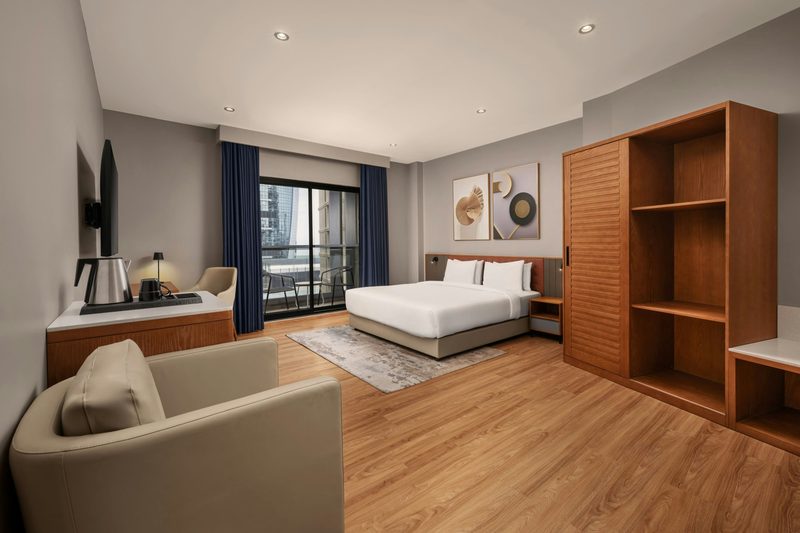
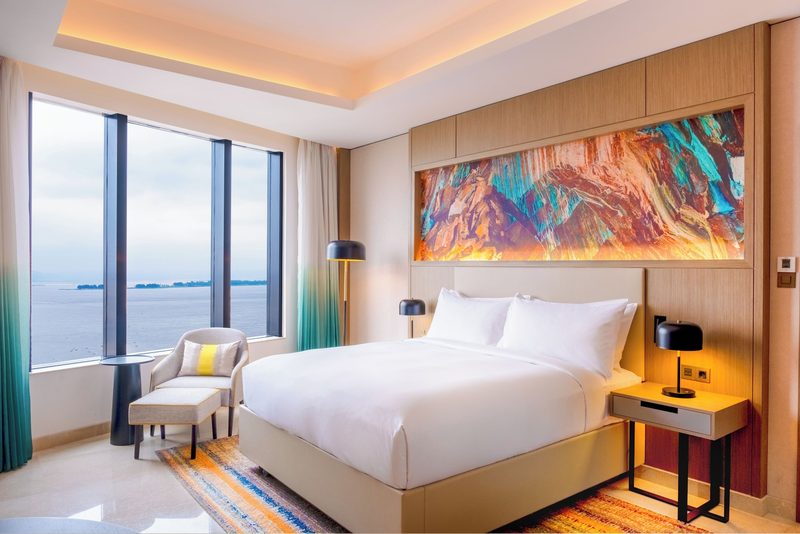
Where to Stay in Congo in September
Hand-picked hotels across price tiers for September travellers.
Packing Checklist
Bookmark this page — your progress is saved between visits
Need the full list with shopping links?
Climate-specific gear, brand recommendations, and what to leave at home.
View Congo Packing List →Essential Tips
Insider knowledge and common pitfalls to avoid
Insider Knowledge
French is not optional. Congo's official language is French. Outside Brazzaville's international-standard hotel lobbies, English is effectively nonexistent. Lingala is trade language in Brazzaville and the north, Kikongo in the south. Even basic French transforms your experience. Enough to negotiate taxi fares, order food, explain stomach problems. If your French is weak, invest in a phrasebook and practice before arrival. Pointing at menus only goes so far when the menu is a chalkboard in abbreviated Lingala. Start studying now.
The Congo-Ocean Railway between Brazzaville and Pointe-Noire is one of Africa's great train journeys on paper. 500 km (310 miles) through the Mayombe forest gorge, bridges over ravines, tunnels blasted through rock in the 1920s at enormous human cost. In practice, schedules are unreliable, carriages are hot, and delays of several hours are normal. Take it if you have flexibility and tolerance for discomfort. Fly if your itinerary is tight. The gorge views are worth the suffering. Only if you know what you are signing up for.
Brazzaville and Kinshasa sit across the Congo River from each other. Crossing between them is a real option. Ferries and speedboats run regularly between the two capitals. However, this requires a DRC visa arranged in advance. The border process on both sides is slow, paper-heavy, and occasionally subject to informal fees. If you plan to cross for Kinshasa's music scene or the Lola Ya Bonobo sanctuary, sort the visa before leaving home. Do not assume you can arrange it in Brazzaville. The DRC embassy queue is unpredictable. Plan ahead.
Saka-saka defines Congolese cooking. Slow-cooked cassava leaves pounded to a thick, dark-green paste, simmered with palm oil and sometimes smoked fish. The texture is dense and slightly gritty. The flavour is earthy with a mineral edge that takes getting used to. You will find it everywhere. Street-side maquis restaurants with plastic tables and Congolese rumba on the radio. Family meals where the pot has been on the fire since morning. Eat it with your right hand and fufu, the starchy cassava dough that is both utensil and carbohydrate. The first time is an adjustment. The third time, you will crave it.
Avoid These Mistakes
Do not confuse the Republic of Congo with the Democratic Republic of Congo. They are different countries with different visas, different currencies, different entry requirements. Booking a flight to Kinshasa when you mean Brazzaville, or vice versa, costs days to fix. The Republic of Congo's capital is Brazzaville, on the north bank. The DRC's capital is Kinshasa, on the south bank. Double-check your airport code. BZV for Brazzaville, FIH for Kinshasa. Verify twice.
Do not underestimate travel distances and logistics. Congo's road network outside Brazzaville and Pointe-Noire ranges from rough to impassable. Distances that look modest on a map, 200 km (124 miles) to a park entrance, can take an entire day on unpaved roads. Internal flights exist but run on limited schedules and are subject to cancellation. Build buffer days into every itinerary. when connecting to international flights. Treating Congo like a country where you cover ground quickly is the fastest way to miss your departure. Add time.
Do not arrive without proof of yellow fever vaccination. Congo requires a valid yellow fever certificate for entry. Immigration officers at Maya-Maya Airport in Brazzaville check it. They do not overlook this. If your certificate is expired, missing, or left at your accommodation, you will face problems at every checkpoint. Carry the original and a photocopy. Get vaccinated at least ten days before departure so the certificate is valid on arrival. No shortcuts.
Ready to plan your trip to Congo?
Now that you've got the research covered, here's where to go next.
Explore More Activities in Congo
Didn't see anything interesting yet?
Browse Viator's full catalog of tours, day trips, food experiences, and private guides in Congo.
See All Congo Tours on Viator