Things to Do in Congo in March
March weather, activities, events & insider tips
Low Season · Budget Friendly
March Weather in Congo
Long-run averages for March in Brazzaville
90°F (32°C)
High Temp
73°F (22°C)
Low Temp
7.4 inches (188 mm)
Rainfall
80%
Humidity
13
Sunny-Day UV
⚠ March is deep wet season with 188 mm (7.4 inches) of rainfall. It typically arrives in intense afternoon thunderstorms that can dump 40-50 mm (1.6-2 inches) in under an hour. Flash flooding on unpaved roads in Brazzaville and on upcountry routes is common. It can strand vehicles for hours. Plan around the storms.
⚠ Malaria risk hits its annual peak during March. Standing water from sustained rains creates ideal breeding conditions. Anti-malarial prophylaxis, DEET-based repellent, and long clothing from late afternoon onward are essential. These are not optional precautions. They are baseline requirements for traveling safely in Congo during wet season.
⚠ Heat and humidity combine to create dangerous conditions for prolonged outdoor exertion. Temperatures reach 32°C (90°F). Humidity holds at 80%. The heat index frequently exceeds what feels like 40°C (104°F). Limit strenuous activity to early morning. Hydrate aggressively. Recognize the early signs of heat exhaustion: dizziness, nausea, and confusion. Medical help may be hours away.
Is March Right for You?
Weigh the advantages and considerations before booking
Advantages
- + The equatorial forest canopy reaches its peak density in March. Rains keep everything emerald-green. Fruiting trees fill the undergrowth. Western lowland gorillas move closer to accessible clearings at Lesio-Louna Reserve. Tracking conditions grow harder underfoot. Sighting quality improves regardless. The animals feed longer in open bais. They no longer retreat to dry-season thickets.
- + March falls squarely in Republic of Congo's low tourism window. The country receives fewer than 50,000 international visitors yearly. Brazzaville's small hotel selection for non-business travelers shows availability you will not find from June through September. Gorilla tracking permits at Lesio-Louna and Odzala-Kokoua prove easier to secure. Shorter lead times suffice.
- + The Congo River runs high and wide in March. Months of upstream rain swell the basin. Pirogue excursions and motorized boat trips along Pool Malebo benefit. This stretch lies between Brazzaville and Livingstone Falls rapids. High water opens channels between islands and sandbars. These close during dry months. Riverbank birdlife concentrates now. Watch for African fish eagles, malachite kingfishers, great blue turacos flashing crimson underwings.
- + Fruit season peaks across southern Congo in March. Mangoes grow so ripe they split on the branch. Safou plums appear on every Brazzaville street corner. These waxy, oily fruits roast over charcoal until skins crisp and interiors turn buttery. Wet season keeps markets at Marche Total and Marche Poto-Poto overflowing. Fresh produce dries up almost entirely by July.
Considerations
- − March brings 188 mm (7.4 inches) of rain. Fierce afternoon downpours arrive between 1 PM and 5 PM. Brazzaville's unpaved side streets turn to shin-deep mud. Upcountry roads to Odzala-Kokoua grow treacherous. A six-hour dry-season 4x4 transfer stretches to ten or twelve hours in March. Some logging roads become entirely impassable after consecutive heavy rain days.
- − 32°C (90°F) heat combines with 80% humidity. The result is wet, clinging discomfort that rarely eases before sunset. Walking Brazzaville's Plateau district or Bacongo neighbourhood in March afternoon feels like breathing through a warm towel. Air conditioning relief is limited. Only a small number of hotels and restaurants offer it. Most of the city simply endures.
- − Mosquito populations increase during wet season. March marks peak malaria transmission time across southern Congo. Anti-malarial prophylaxis is non-negotiable. Medication alone is not enough. Mosquito density at dusk demands serious insect protection. This applies near standing water along the Congo River floodplain and in forested areas around Lesio-Louna. Protection becomes essential from about 4:30 PM onward.
Best Activities in March
Top things to do during your visit
Western Lowland Gorilla Tracking at Lesio-Louna Reserve
Lesio-Louna sits roughly 140 km (87 miles) north of Brazzaville. Rolling savanna gives way to gallery forest along river valleys. March ranks among the better wet-season months for gorilla encounters. Resident habituated groups feed on seasonally abundant wild ginger and marantaceae shoots in forest margins. Trackers often locate them within two to three hours. Five-plus-hour treks are common in drier months when gorillas retreat to deeper cover. The humidity is brutal. By 9 AM the air feels like soup. Binoculars fog the moment you lift them. The payoff is real. Watch a silverback strip bark from a fallen tree in a clearing loud with cicadas and dripping with post-rain moisture. You will be close enough to hear his breathing. Groups are capped at four visitors. In March you might be the only pair. The muddy trails demand real fitness. This is not a casual walk.
Booking Tip: Secure permits at least six to eight weeks ahead. Use licensed operators who handle the reserve's coordination directly. March shows lower demand than dry season. Limited daily capacity means last-minute availability is never guaranteed. Seek operators including the 4x4 transfer from Brazzaville. Insist on experienced drivers who know wet-season road conditions. See current guided options in the booking section below.
Congo River Pirogue and Motorboat Excursions
The Congo River at Brazzaville in March differs completely from its dry-season self. Pool Malebo is the lake-like widening where the river spreads to nearly 35 km (22 miles) across before narrowing toward the cataracts. Back channels and island passages fill with fast-moving brown water. Entire uprooted trees float downstream. Motorized pirogue trips depart from Brazzaville's Beach neighbourhood riverfront. They weave between shifting sandbars and low islands. Fishermen camp here for weeks. They smoke their catch over green-wood fires. Haze hangs in the morning air. The smell is smoke and river mud and the metallic tang of deep water. You will see Kinshasa's skyline across the current. The two capitals face each other barely 1.6 km (1 mile) apart. This is the closest pair of national capitals anywhere on earth. The contrast is striking. Brazzaville's low-rise treeline opposes Kinshasa's towers. The view from mid-river is memorable. Go early. Depart before 8 AM. The water is calmest then. Light catches the surface in sheets of copper and grey.
Booking Tip: Arrange river excursions through established operators. Book at least a week ahead. Confirm the boat carries life jackets and a working motor. Not all do. March's high water brings stronger currents. Seek captains with wet-season Pool Malebo experience. Morning departures avoid the worst afternoon storms. Check the booking section below for currently available river experiences.
Brazzaville Cultural and Market Walking Tours
Brazzaville rewards slow attention. March mornings, before the rain builds, offer the best window for walking. Start in Poto-Poto. The Ecole de Peinture de Poto-Poto has trained Congolese artists since 1951 in a round, open-air studio whose walls carry decades of paint splatter in every pigment imaginable. Marche Poto-Poto assaults the senses: pyramids of smoked catfish on sheet metal, the peppery smell of pili-pili chillies in buckets, women pounding manioc in wooden mortars with a rhythmic thud that carries three blocks. Walk south through Bacongo. Watch for the sapeurs. These are Brazzaville's famous dandies, men in immaculate three-piece suits and Italian shoes despite the heat. The tradition is rooted in anti-colonial assertion. It has survived every political upheaval since independence. The Basilique Sainte-Anne du Congo rises with its vivid green-tiled roof visible across half the city. Enter for the cool interior alone when midday heat peaks.
Booking Tip: Book guided walks five days ahead. Confirm your guide speaks your language. French dominates Brazzaville. English-speaking guides are limited. Depart between 7 AM and 8 AM. Beat the heat. Beat the rain. See below for current walking options.
Odzala-Kokoua National Park Wildlife Expeditions
Odzala-Kokoua ranks among Africa's oldest and least-visited national parks. It covers 13,600 square km (5,250 square miles) of dense equatorial rainforest in Congo's northwest. March is wet. March is logistically demanding. Access from Brazzaville means charter flights to Mboko airstrip or multi-day overland journeys that turn uncertain after heavy rain. Committed wildlife travelers accept this. The rewards justify the difficulty. Forest elephants gather at bais, natural clearings from mineral-rich seeps. Saturated March ground draws them out more frequently. Habituated western lowland gorilla groups can be tracked with rangers. The forest hums with wet-season chorus: insects, frogs, the occasional deep-bass call of chimpanzees somewhere in the canopy. The air smells of rotting leaves and wet earth and something faintly sweet, like overripe fruit. This is expedition-grade travel. You sleep in basic forest camps. You eat simply. The rain finds you regardless.
Booking Tip: Odzala demands serious advance planning. Book three months ahead through licensed operators. Confirm your itinerary accounts for March road conditions. Charter flights are strongly recommended over overland transfers in wet season. Minimum three-night stays are standard. See below for available expedition packages.
Pointe-Noire Coastal Exploration and Seafood Culture
Congo's second city sits on the Atlantic coast roughly 510 km (317 miles) west of Brazzaville. Its personality differs entirely from the capital. Looser. Saltier. Shaped by oil money and fishing culture in equal measure. March on the coast stays warm and wet. The Atlantic breeze cuts the worst humidity. Beaches south of the city centre, Pointe Indienne and the stretch toward Diosso Gorge, carry a wind-scoured emptiness that feels remote. Diosso Gorge drops 300 m (984 ft) deep. Red laterite cliffs plunge into green forest. The canyon is most photogenic after rain, when waterfalls appear on walls that are bone-dry in July. In town, the Grand Marche sells grilled capitaine (Nile perch) and barracuda from the morning catch. Charred over palm-wood coals until skin blackens and flesh underneath stays white and flaky. Served on banana leaves with fiery pili-pili sauce that clears your sinuses. The old colonial quarter along the waterfront retains French-era traces: shuttered windows, wrought-iron balconies going green with salt corrosion.
Booking Tip: Reach Pointe-Noire by daily flight from Brazzaville, roughly ninety minutes. Skip the overland route. It is punishing in wet season. Book flights and accommodation two weeks ahead. For Diosso Gorge, hire a local driver through your hotel. The gorge lies about 25 km (15.5 miles) north of the city. You need a vehicle. See below for guided coastal experiences.
Where to Stay in Congo in March
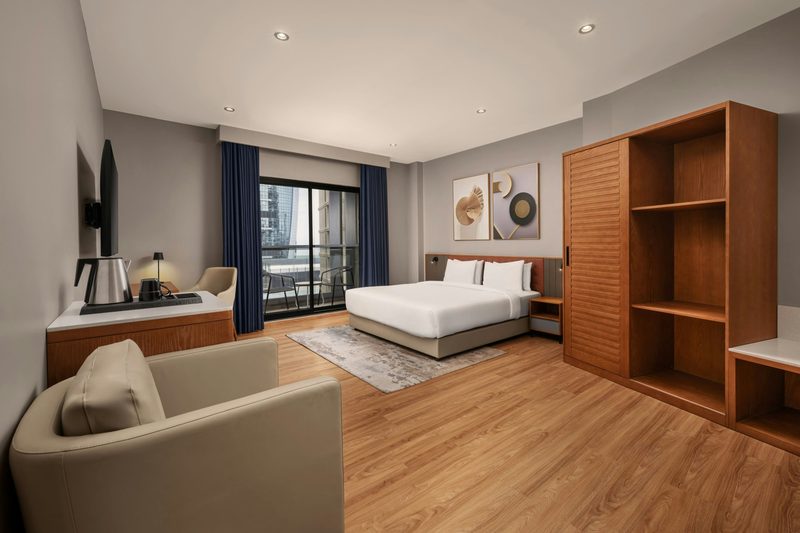
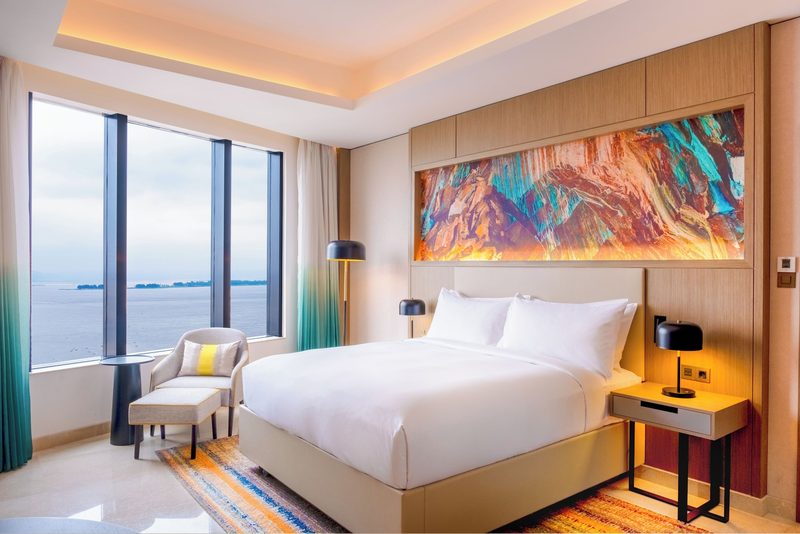
Hand-picked hotels across price tiers for March travellers.
Public Holidays in March
Dates that affect opening hours, transport and crowds
Dimanche de Pâques
Known in English as Easter Sunday. Observed nationwide as a public holiday.
Lundi de Pâques
Known in English as Easter Monday. Observed nationwide as a public holiday.
Packing Checklist
Bookmark this page — your progress is saved between visits
Need the full list with shopping links?
Climate-specific gear, brand recommendations, and what to leave at home.
View Congo Packing List →Essential Tips
Insider knowledge and common pitfalls to avoid
Insider Knowledge
Brazzaville and Kinshasa face each other across barely 1.6 km (1 mile) of river. The ferry crossing at the Beach port is a common day trip that most travelers overlook. The DRC side requires its own visa, arranged in advance. The crossing itself takes under twenty minutes. It puts you in a city of fifteen million people that feels like a different continent from Brazzaville's relatively calm pace. If you hold a multi-entry Congo visa, you can return the same day.
The sapeur culture in Bacongo and Moungali is not a performance for tourists. These are working-class men who spend a disproportionate share of their income on European designer clothing. It is an assertion of dignity with roots in the colonial era. Photographing sapeurs without asking is considered disrespectful. You will get a sharp reprimand in rapid-fire Lingala. Ask first. Compliment the outfit specifically. You will likely get a full pose and a conversation.
Visit Brazzaville's Marche Total between 6:30 AM and 8 AM. Go before the heat compounds the smell of the fish section into something overwhelming. Go before the afternoon rain turns the unpaved aisles to mud. The safou plum vendors cluster near the east entrance. Buy a small bag. Ask any maquis, an informal restaurant nearby, to roast them for you over their charcoal. The taste is somewhere between avocado and roasted chestnut, savoury and rich. It is the single most Congolese flavour you will encounter.
Cash in CFA francs is essential outside hotel lobbies. ATMs exist in Brazzaville and Pointe-Noire but are unreliable. They are frequently out of cash or offline for days. None accept cards from every international network. Bring euros or US dollars in clean, post-2006 bills. Exchange at licensed bureaux de change in the Plateau district. Never on the street. Short-changing is routine there. The legal risk falls on you.
Avoid These Mistakes
Do not confuse Republic of Congo, capital Brazzaville, with the Democratic Republic of Congo, capital Kinshasa, when arranging visas, flights, and travel insurance. They are different countries with entirely separate entry requirements. A visa for one does not grant entry to the other. Airlines, embassies, and insurers use the official names. Get the wrong one and you will be turned back at the border. Check twice.
Do not underestimate March travel times between destinations. The distance from Brazzaville to Odzala-Kokoua is roughly 900 km (560 miles). On wet-season roads that number is almost meaningless. Sections of the Route Nationale flood or wash out entirely after multi-day rains. What looks like a twelve-hour drive on a map can become a two-day ordeal. Overnight stops in villages have no formal accommodation. Charter flights exist for a reason in March.
Do not pack as if air conditioning will be available everywhere. Outside of a handful of international-standard hotels in Brazzaville and Pointe-Noire, most guesthouses, restaurants, and all upcountry lodges rely on fans or open windows. Travelers who pack only synthetic athletic wear find it traps heat against the skin in 80% humidity. Loose-fitting cotton and linen breathe far better in Congo's March climate. They dry more slowly after a soaking. Pack accordingly.
Ready to plan your trip to Congo?
Now that you've got the research covered, here's where to go next.
Explore More Activities in Congo
Didn't see anything interesting yet?
Browse Viator's full catalog of tours, day trips, food experiences, and private guides in Congo.
See All Congo Tours on Viator