Things to Do in Congo in October
October weather, activities, events & insider tips
Low Season · Budget Friendly
October Weather in Congo
Long-run averages for October in Brazzaville
88°F (31°C)
High Temp
72°F (22°C)
Low Temp
6.4 inches (163 mm)
Rainfall
75%
Humidity
12
Sunny-Day UV
⚠ October brings the rainy season back. Expect 163 mm (6.4 inches) of rainfall. Heavy downpours flood unpaved interior roads within hours. Vehicles get stranded. Bridges become impassable. River levels on the Congo and its tributaries rise fast. Navigation conditions for pirogue excursions change dramatically.
⚠ Mosquito numbers explode when the rains arrive. Malaria transmission happens year-round. It intensifies from October onward. Anti-malarial prophylaxis is essential. Use treated bed nets. Pack high-concentration DEET repellent. These are not optional precautions. They are mandatory.
⚠ Congo Basin thunderstorms hit hard. Lightning is intense. Brazzaville ranks among the world's highest lightning-strike zones. Avoid open ground. Skip exposed ridgelines. Afternoon storms build between 1 PM and 4 PM. Stay indoors. Wait them out.
Is October Right for You?
Weigh the advantages and considerations before booking
Advantages
- + October brings the rains back after the June-September dry season. The forests of Odzala-Kokoua and Nouabale-Ndoki turn green almost overnight. The canopy thickens. Rivers swell to navigable levels. The red laterite clearings where western lowland gorillas forage fill with fresh herbaceous growth that draws family groups into the open. For wildlife encounters, this greening-up period concentrates animals around predictable food sources in ways the dry months do not.
- + Congo receives vanishingly few tourists in any month. October thins the already sparse visitor numbers further. At Odzala-Kokoua, which limits gorilla tracking permits to small daily groups, you are likely to be the only party in the forest on a given morning. Brazzaville's Poto-Poto quarter and the Basilique Sainte-Anne feel like a city going about its own business rather than performing for cameras. This is exactly how you want to encounter a place this complex.
- + Accommodation rates in Brazzaville and Pointe-Noire drop noticeably once the dry season ends. Hotels that command premium rates in July and August through the business and conference calendar currently have availability. Safari lodges near Odzala that require months-ahead booking in the dry window are more flexible on dates and sometimes on pricing. The savings can be significant enough to offset the logistical friction the rains introduce.
- + October's storms in Brazzaville are theatrical. They reward patience. The sky turns pewter-grey around 2 PM. The temperature drops several degrees in minutes. Then the rain arrives in dense vertical sheets that hammer the corrugated rooftops of the Bacongo and Moungali quarters with a sound like applause. These downpours rarely last more than an hour. By late afternoon the air smells of wet earth and woodsmoke from charcoal braziers firing back up. The equatorial light turns copper-gold in a way that the hazy dry season never produces.
Considerations
- − Congo's road infrastructure is limited even in the best conditions. October's rains turn unpaved routes into red clay slicks. The road from Brazzaville toward Odzala-Kokoua National Park, already a multi-day commitment by vehicle, becomes uncertain after heavy downpours. Sections flood. Bridges over smaller tributaries may be impassable for hours. Journey times that are already long double without warning. Internal flights on small charter planes are the realistic alternative. But schedules shift with weather and demand.
- − The humidity is a physical presence. At 75% average with temperatures holding near 31C (88F) through the day, October in Brazzaville wraps you in persistent dampness that never fully lifts. Clothing stays clammy. Cameras fog when you step from an air-conditioned vehicle into the forest. The equatorial sun between storms carries a punishing UV load. If you are not conditioned for sustained tropical heat and moisture, the first two days will slow you down considerably.
- − Mosquito populations increase with the rains. Malaria risk in Congo is year-round but peaks during the wet months. October sits at the front edge of this escalation. Anti-malarial prophylaxis is non-negotiable. Treated bed nets are essential even in mid-range hotels. DEET-based repellent needs reapplication after every downpour. The forests around Odzala and Lesio-Louna are dense with insects at dusk. Tsetse flies in the savanna clearings bite through lightweight fabric.
Best Activities in October
Top things to do during your visit
Western Lowland Gorilla Tracking at Odzala-Kokoua
Odzala-Kokoua National Park, deep in the northwestern forests near the Gabon border, is one of the last places on earth where habituated western lowland gorilla groups can be tracked on foot. October's fresh growth draws gorilla families to forest clearings called bais, where they feed on sedges and aquatic herbs in knee-deep water. The tracking itself is physically demanding in October conditions. You wade through flooded undergrowth. The humidity inside the canopy hovers near saturation. The forest floor turns to ankle-deep mud after storms. But the payoff is proximity. Groups are feeding rather than ranging, which means longer observation windows. The moss-and-decay smell of the primary forest, the crack of branches overhead as a silverback shifts position, the strange silence when a family group registers your presence and simply continues eating. These are sensory experiences no photograph conveys. Expect 3 to 6 hours of walking to reach the groups, with the actual encounter lasting 30 to 60 minutes at a mandated distance.
Booking Tip: Permits are strictly limited and require arrangement weeks in advance through licensed outfitters who coordinate with the national park authority. October's lower demand means permits are more available than in the dry months, but logistics (charter flights, lodge availability) still need 4 to 6 weeks of lead time. See current guided options in the booking section below.
Gorilla Sanctuary Visit at Lesio-Louna Reserve
Lesio-Louna sits about 140 km (87 miles) north of Brazzaville in rolling savanna that gives way to gallery forest along the Lesio and Louna rivers. This is a gorilla reintroduction site rather than a wilderness tracking experience. That makes it more accessible for travelers who cannot commit to the multi-day expedition that Odzala demands. In October, the reserve's grasslands are already responding to the rains with waist-high growth. The resident gorilla groups forage along river margins where the vegetation is thickest. The approach involves a boat ride up the Lesio River, the water tea-brown and rising, with fish eagles perched in dead trees along the banks. The air smells of wet grass and the faintly sweet rot of fallen fruit. The gorillas here are semi-habituated orphans raised for wild release, so encounters feel different from deep-forest tracking. They are more observed than discovered. They are still arresting when a juvenile moves to within a few meters and holds eye contact.
Booking Tip: Day trips from Brazzaville follow a standard rhythm: depart early morning, return late afternoon. Book at least 2 weeks ahead. Confirm vehicle condition. Roads deteriorate fast in wet weather. Current guided excursions appear in the booking section below.
Brazzaville Cultural Walking and Market Exploration
Brazzaville makes you work for it. The colonial buildings along Avenue de France crumble yet stay occupied, their facades streaked with rain tracks and moss. Congolese rumba drifts from open doorways in Poto-Poto at almost any hour. The Poto-Poto market assaults every sense: pyramids of smoked catfish on wooden tables, the sharp vinegar tang of fermented cassava in banana leaves, palm oil catching light in recycled bottles. The Basilique Sainte-Anne du Congo, built in 1949 with a green-tiled roof echoing the forest canopy, ranks among central Africa's most striking mid-century buildings. The interior stays cool even when October humidity turns streets outside into steam. Walk Brazzaville in morning hours, before afternoon rains build. You catch the city at its most animated. The sapeurs in Bacongo press elaborate outfits despite heat. Children in uniforms flood narrow lanes. Grilled plantains and charcoal smoke layer over everything.
Booking Tip: Guided walking tours with local cultural guides work best. Neighborhoods have no street signs. French-Lingala bilingualism is assumed. Book 1 to 2 weeks ahead. See current guided options in the booking section below.
Congo River Excursions from Brazzaville
The Congo River at Brazzaville spans 1.6 km (1 mile). Its force hums from the corniche. In October, rising rains turn the water from dry-season grey-green to silty brown, carrying entire trees downstream. Pirogue excursions run upstream toward Djoue rapids, where the river narrows and churns white over basalt shelves. Downstream trips pass Ile Mbamou sandbar islands, where fishermen camp in shelters shaped by palm fronds. The river sound never stops: a low rush, water slapping wooden hulls, distant drums from DRC villages across the channel. Late afternoon trips catch equatorial sunset hammering the water copper, Kinshasa's skyline silhouetted opposite. Humidity on the water runs lower than in the city. The breeze off the current offers the only real relief in October's Brazzaville.
Booking Tip: River excursions span 2-hour sunset trips to full-day upstream expeditions. Book through operators at the Brazzaville riverfront. They provide life jackets. Their pilots know shifting sandbars. This matters when October water levels change. See current options in the booking section below.
Pointe-Noire Coastal Exploration and Cote Sauvage
Pointe-Noire, Congo's second city and Atlantic port, sits 510 km (317 miles) west of Brazzaville. It moves to a different rhythm entirely. The Cote Sauvage, an unmanicured beach stretch running north, turns dramatic rather than pretty in October. Grey-green Atlantic swells crash rust-coloured sand. Wind carries salt spray and faint petroleum smell from offshore rigs on the horizon. The surf is too rough for casual swimming. Walking it is spectacular. The city carries an oil-economy edge Brazzaville lacks: better restaurants around Quartier Ngoyo, a functioning nightlife strip, a port district where container crane clang mixes with fishermen hauling pirogues onto the beach at Marche du Grand Marche. October rainfall in Pointe-Noire runs lighter than Brazzaville's. The coastal breeze makes humidity more bearable. The old colonial quarter near the train station rewards slow walking with faded grandeur. Bougainvillea spills over compound walls. Bars play Papa Wemba or Fally Ipupa at window-rattling volume.
Booking Tip: Fly to Pointe-Noire from Brazzaville. The trip takes roughly 1 hour. Overland journeys prove unreliable in October. Allow 2 to 3 days for the coast. Local guides for Cote Sauvage and the fishing quarter can typically be arranged through your accommodation with a few days notice. See available tours in the booking section below.
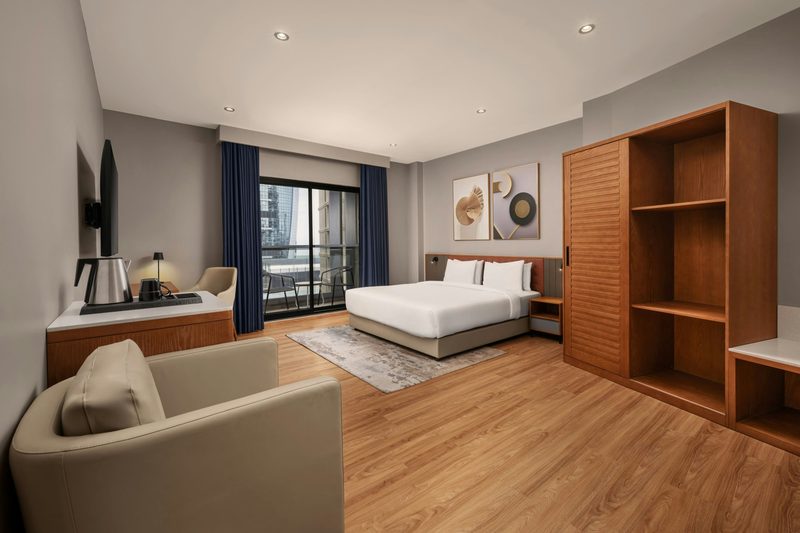
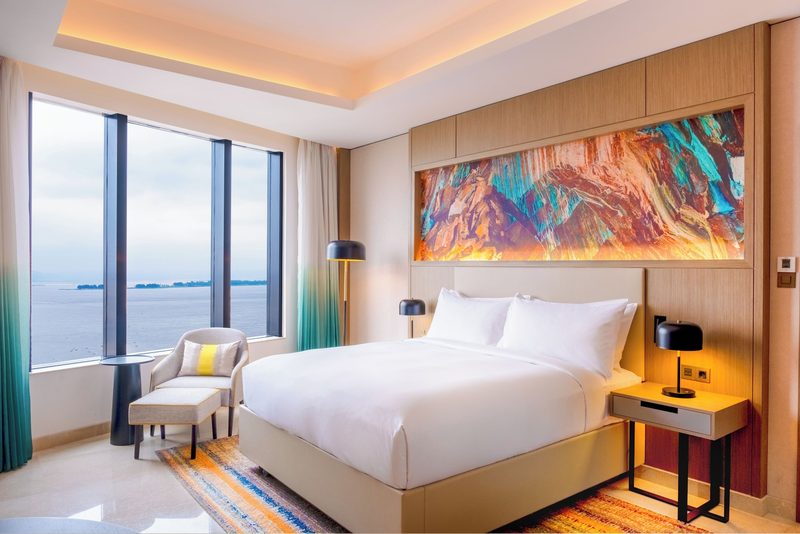
Where to Stay in Congo in October
Hand-picked hotels across price tiers for October travellers.
Packing Checklist
Bookmark this page — your progress is saved between visits
Need the full list with shopping links?
Climate-specific gear, brand recommendations, and what to leave at home.
View Congo Packing List →Essential Tips
Insider knowledge and common pitfalls to avoid
Insider Knowledge
Brazzaville and Kinshasa face each other across the Congo River. This is the closest pair of national capitals anywhere in the world. You can see Kinshasa's skyline from the Brazzaville corniche. You can hear the bass from its waterfront bars on still nights. The cross-river ferry operates daily. The paperwork for DRC visas is a separate bureaucratic exercise. Do not assume you can simply hop across.
The sapeurs of Bacongo are not a tourist performance. The Society of Ambianceurs and Elegant Persons includes working-class men and women who invest heavily in European designer clothing as a form of cultural identity dating to the colonial era. You will see them on weekend afternoons in October's steamy heat, immaculately pressed in three-piece suits, walking the streets of Bacongo with deliberate stride. They consider dressing well a moral statement. Photograph respectfully. Ask first. Most are happy to pose.
The Congolese franc (CFA) is pegged to the euro. Your costs are currently influenced by euro exchange rates rather than local inflation alone. Cash is essential outside Brazzaville and Pointe-Noire. ATMs exist in both cities but are unreliable. Card payments are rare even at mid-range hotels. Bring euros to exchange rather than dollars. The rate and acceptance are better.
French is the official language and the language of business and education. Lingala is what you hear in Brazzaville's markets and bars and what the music is sung in. Even a few phrases of Lingala change interactions immediately. Try mbote (hello) or melesi (thank you). Locals are accustomed to French-speaking visitors. They are not accustomed to foreigners who make any effort with Lingala. The warmth that effort generates is genuine and immediate.
Avoid These Mistakes
Do not confuse the Republic of Congo (Brazzaville) with the Democratic Republic of Congo (Kinshasa). They share the Congo River as a border and the word Congo in their names. They are different countries with different visa requirements, currencies (both use CFA and Congolese franc respectively), governments, and security profiles. Booking a flight to Kinshasa when you meant Brazzaville happens more often than you would think. Sorting it out at the airport is not simple. Check your ticket.
Never underestimate travel times in the interior. Google Maps distances in Congo are meaningless in October. A route that shows 200 km (124 miles) and four hours on a map may take 10 hours or prove impassable after heavy rain. The road network outside Brazzaville and Pointe-Noire is largely unpaved, poorly maintained, and unmarked. Internal flights, though expensive and irregularly scheduled, are the only reliable way to reach Odzala-Kokoua or the northern forests. Fly if you can.
Never arrive without confirmed accommodation and ground logistics. Congo does not have walk-in travel infrastructure. There are no hostels in the backpacker sense. Very few hotels list on international booking platforms. Showing up in Brazzaville without a pre-arranged vehicle and driver means you are negotiating from zero use with limited French in a city that does not orient itself around casual visitors. Arrange everything before you land.
Ready to plan your trip to Congo?
Now that you've got the research covered, here's where to go next.
Explore More Activities in Congo
Didn't see anything interesting yet?
Browse Viator's full catalog of tours, day trips, food experiences, and private guides in Congo.
See All Congo Tours on Viator