Things to Do in Congo in November
November weather, activities, events & insider tips
Low Season · Budget Friendly
November Weather in Congo
Long-run averages for November in Brazzaville
88°F (31°C)
High Temp
72°F (22°C)
Low Temp
10.4 inches (264 mm)
Rainfall
83%
Humidity
12
Sunny-Day UV
⚠ November is Congo's wettest month, with intense afternoon and evening thunderstorms that can dump 50 mm (2 inches) of rain in under an hour. Flash flooding occurs in low-lying areas of Brazzaville, in Bacongo and along unpaved roads in the outer arrondissements. Avoid crossing flooded streets on foot or in vehicles, as the depth and current are impossible to judge beneath the opaque red water. Wait it out. The water recedes.
⚠ Unpaved roads between cities and to national parks become impassable mud after sustained rain. Overland travel to Odzala-Kokoua National Park and Nouabale-Ndoki is unreliable in November, and even the main Route Nationale 1 between Brazzaville and Pointe-Noire can experience multi-hour delays at washed-out sections. Charter flights are the only reliable alternative for remote destinations. Budget accordingly. Plan for delays.
⚠ Mosquito-borne disease risk intensifies significantly during the wet season. Standing water from rain creates breeding habitat across urban and rural areas, and malaria transmission peaks in November and December. Antimalarial prophylaxis, treated bed nets, and diligent use of insect repellent are essential, not optional. Take your pills. Sleep under nets. Reapply repellent.
Is November Right for You?
Weigh the advantages and considerations before booking
Advantages
- + November marks the absolute low point of Congo's tourist calendar. In a country that already receives fewer than 50,000 visitors a year, you will likely be the only foreigner at Brazzaville's Poto-Poto market. You will be the only outsider at Lesio-Louna's gorilla clearing. You will be the only guest at lodges that during June through August might have two or three others. That solitude changes everything. Conversations with Congolese hosts last longer. Guides adjust to your pace rather than a group's. The sense of discovery is genuine rather than curated.
- + The rains transform the landscape into something almost absurdly green. The savanna around Brazzaville, bone-dry and copper-coloured in August, is now shin-high grass the colour of a Granny Smith apple. The forest canopy around Odzala-Kokoua drips with an intensity that makes every leaf look freshly varnished. For photographers, the soft diffused light on overcast mornings delivers. The dramatic thunderhead skies of late afternoon produce images with a depth and mood that the flat glare of dry-season midday simply cannot match.
- + November's rains swell the Congo River and its tributaries to their fullest. Pirogue travel along waterways that are too shallow the rest of the year becomes suddenly navigable. Communities along smaller rivers that are effectively cut off during the dry months become accessible. The river itself, already the second largest in Africa by discharge, carries a muscular brown current. Witness it from the rapids at Brazzaville's Corniche. The sight is impressive.
- + Seasonal fruit peaks in November. Mangoes begin their flush. Market stalls in Bacongo and Moungali overflow with papaya, avocado, and the tart, musky safou fruit that Congolese grill over charcoal until the purple skin blisters and the flesh turns creamy. Time your arrival right. Catch the first wave of the mango season, when the fruits are still small, intensely sweet, and piled in pyramids at every roadside seller for next to nothing.
Considerations
- − This is the wettest month of the year in Brazzaville, with 264 mm (10.4 inches) of rain that tends to arrive in dramatic late-afternoon downpours. These storms are not gentle. Thunder rolls across the Pool Malebo plateau like artillery. Lightning strobes across the sky. Within minutes the unpaved side streets of Brazzaville fill with ankle-deep red laterite runoff. The storms typically blow through in an hour. They can strand you indoors at exactly the time you planned to be somewhere. The roads afterward are slick and pooled.
- − Infrastructure outside Brazzaville and Pointe-Noire is limited in the best conditions. November rain makes it difficult. The Route Nationale 1 between the two cities, a journey of roughly 510 km (317 miles), can take anywhere from eight to fourteen hours depending on road conditions. Sections become impassable mud after sustained storms. Access to Odzala-Kokoua National Park in the northwest requires either a charter flight or a multi-day overland slog that November renders unreliable. Plan around the rain. Or accept delays as part of the experience.
- − Standing water and warm temperatures create ideal conditions for mosquitoes. Malaria is a serious, year-round risk in Congo that intensifies during the wet season. November humidity at 83% means insect repellent sweats off quickly, requiring frequent reapplication. You will need antimalarial medication prescribed before departure. Sleeping under a treated net is non-negotiable even in air-conditioned hotels. Power cuts are common. Your air conditioning will not run all night.
Best Activities in November
Top things to do during your visit
Lesio-Louna Gorilla Reserve Day Trip
Lesio-Louna sits about 140 km (87 miles) north of Brazzaville in the Lefini River basin, a landscape of rolling savanna and gallery forest where western lowland gorillas that were orphaned by the bushmeat trade have been reintroduced to the wild. November's rains keep the grass high and the clearings lush. The gorilla groups tend to stay closer to the forest edge where fruiting trees are concentrated. This can improve sighting odds compared to the dry season when they range more widely. The drive from Brazzaville takes roughly three hours on a road that November rain turns into a test of patience and four-wheel drive. The payoff is standing 15 metres (49 feet) from a silverback in one of Africa's most important primate conservation projects, with no other visitors in sight. Morning visits work best. The gorillas are active in the cooler hours before the heat builds. You are more likely to avoid the afternoon storms that roll in around 3 PM. Expect to spend a full day including travel.
Booking Tip: Book through licensed operators at least two to three weeks ahead. Vehicle logistics and guide availability in the wet season require advance coordination. Confirm that the operator provides a 4x4 vehicle with experienced driver. The road conditions in November are not suitable for standard cars. See current options in the booking section below.
Brazzaville Market and Cultural Walking Tours
Brazzaville rarely appears in travel photography. Walking its neighbourhoods in November reveals a city belonging to another era of African urbanism. Start at the Basilique Sainte-Anne du Congo in Poto-Poto. This striking 1940s church has a green-tiled roof and vaulted interior designed by Roger Erell. Murals fuse Catholic iconography with Congolese artistic traditions. The neighbourhood around it draws Brazzaville's famous sapeurs on weekends. These men wear immaculate three-piece suits and polished shoes. They promenade through streets of cracked concrete and corrugated iron. Their dignity is absurd and moving. The Poto-Poto market nearby assaults the senses. The yeasty smell of manioc ferments in buckets. Sharp smoke rises from dried fish piled on wooden tables. Aluminium pots clatter. Vendors shout prices in Lingala. November mornings work best. The afternoon brings heat and rain. Humidity thickens the air. Every smell intensifies. A walking tour of Brazzaville's core covers Poto-Poto, the old colonial Centre-Ville, and the Corniche along the Congo River. Allow four hours at a relaxed pace.
Booking Tip: Arrange a local guide through your accommodation or a licensed Brazzaville tour operator. Do this at least a week in advance. A French-speaking guide who knows the neighbourhoods matters. The difference is stark. You either wander lost or understand what you see. Reference the booking widget below for available guided options.
Congo River Pirogue Excursions
The Congo River at Brazzaville is not a postcard river. It is a kilometre-wide (0.6 mile) brown torrent separating two national capitals. In November, swollen by months of upstream rain, it carries whole trees and islands of water hyacinth. The current is powerful enough to make crossing pirogues look like toys. Take a pirogue ride along the Brazzaville bank. Pass the rapids at Djoué where water crashes over exposed rock. The sound hits your chest. No photograph prepares you for this. The spray carries a mineral, almost metallic smell of deep-earth sediment. Humidity damps your clothes before the first splash. November's high water opens access to islands and sandbars in the Pool Malebo area upstream. Fishermen set nets at dawn. Birdlife concentrates around flooded margins. Look for African fish eagles and malachite kingfishers. Plan morning excursions before storms. Bring a waterproof dry bag for everything you cannot afford to lose.
Booking Tip: Pirogue operators work informally along the riverbank near the Corniche. For safety in November's high water, book through a licensed operator. They provide life jackets and experienced navigators. Arrange at least several days ahead. See current river tour options in the booking section below.
Pointe-Noire Coastal Exploration
Pointe-Noire, Congo's economic capital and only significant coastal city, sits on the Atlantic roughly 510 km (317 miles) west of Brazzaville. It feels like a different country. The air is salted and cooler. The ocean breeze cuts through humidity in a way Brazzaville never manages. The Cote Sauvage stretches north of the city. This wild, palm-fringed beach delivers empty, crashing-surf grandeur. West African coastlines look like this when no resort developer has touched them. November surf runs rough. Strong currents make swimming risky. The beach itself, backed by coconut palms that creak and sway in onshore wind, rewards visitors with sheer scale. The city's food scene is the real draw. Pointe-Noire's port brings in the freshest fish in Congo. Try the grilled capitaine at open-air restaurants along the waterfront. It arrives whole on a metal plate. A fiery piment sauce accompanies it. So does a mound of fufu. This is the best single meal you are likely to eat in the country. The fish skin crackles. The flesh underneath is white and flaky. The sauce, made from Scotch bonnet peppers ground with tomato and onion, clears your sinuses. Your eyes water. This is good.
Booking Tip: Fly rather than drive between Brazzaville and Pointe-Noire in November. The overland route is unreliable in the wet season. The flight takes about an hour. Book at least two weeks ahead. Flights fill during the work week with oil industry commuters. Check the booking section for available Pointe-Noire experiences.
Congolese Cooking and Food Market Immersion
Congolese cooking rests on a handful of ingredients. The sophistication surprises people who have never eaten Central African food. The foundation is manioc. Process it into starchy, slightly sour fufu. This accompanies everything. The flavour base is palm oil, smoked fish, and leafy greens. Eat saka-saka. Cassava leaves pound for hours until they break down into dark green paste. Simmer with palm oil, smoked fish, and enough chilli to bead your forehead with sweat. November brings mango and safou season. Grilled safou appears at every market stall and roadside grill. This fruit is unique to Central Africa. Cooked, it tastes like a cross between an avocado and an olive. Learn at a market cooking session, not a restaurant. Several Brazzaville operators offer mornings starting at Marche Total or the Ouenze market. Navigate the labyrinth of stalls. Woodsmoke thickens the air. Overripe plantains give off a sweet, cloying scent. Then comes a hands-on cooking lesson in a local kitchen. Pounding saka-saka with a wooden mortar and pestle is a workout. You earn the meal.
Booking Tip: Food experiences require advance arrangement as they are not widely standardised. Ask your accommodation to connect you with a local host or book through operators offering cultural immersion experiences at least a week ahead. See the booking section below for current availability.
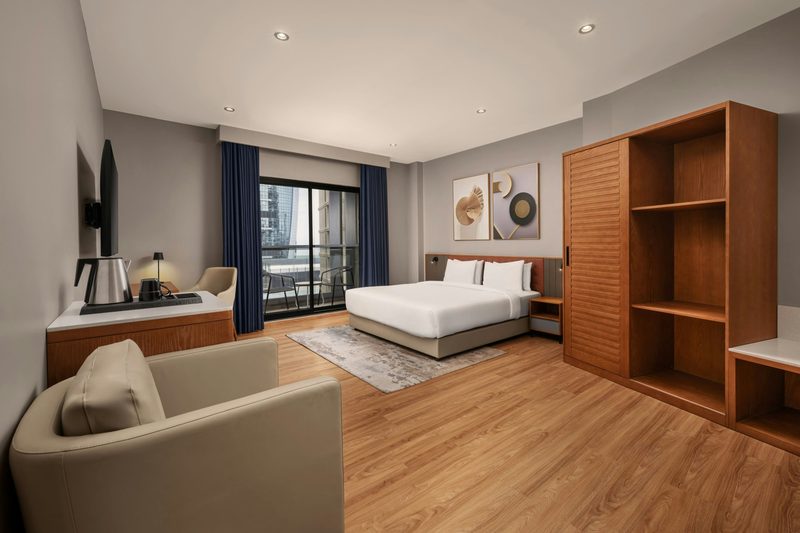
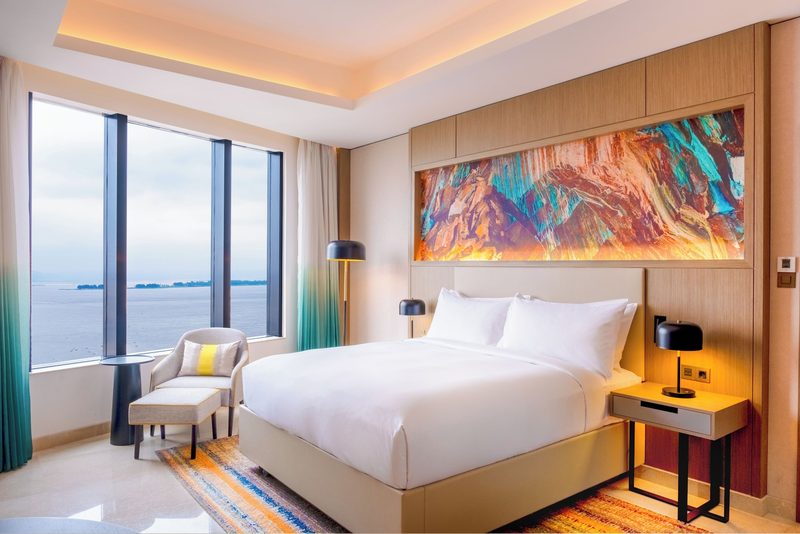
Where to Stay in Congo in November
Hand-picked hotels across price tiers for November travellers.
Public Holidays in November
Dates that affect opening hours, transport and crowds
Toussaint
Known in English as All Saints' Day. Observed nationwide as a public holiday.
Jour de la République
Known in English as Republic Day. Observed nationwide as a public holiday.
Toussaint
Known in English as All Saints' Day. Observed nationwide as a public holiday.
Jour de la République
Known in English as Republic Day. Observed nationwide as a public holiday.
Toussaint
Known in English as All Saints' Day. Observed nationwide as a public holiday.
Jour de la République
Known in English as Republic Day. Observed nationwide as a public holiday.
Packing Checklist
Bookmark this page — your progress is saved between visits
Need the full list with shopping links?
Climate-specific gear, brand recommendations, and what to leave at home.
View Congo Packing List →Essential Tips
Insider knowledge and common pitfalls to avoid
Insider Knowledge
French is the only language that will get you through administrative encounters, hotel check-ins, and any situation involving paperwork. But in the markets and neighbourhoods of Brazzaville, Lingala is the real currency of connection. Even a few phrases, mbote (hello), matondo (thank you), and ntango nini (what time), change the way people engage with you. Suddenly you are not just a tourist fumbling through a transaction but someone making an effort, and the warmth that unlocks in Congolese social culture is immediate and genuine.
The Brazzaville-Kinshasa ferry crossing at the Beach port is the world's shortest international border crossing between two capital cities, roughly 4 km (2.5 miles) across the Pool Malebo. In November's high water the crossing is choppy and the speedboats that most travelers prefer can feel precarious. But it works and takes about twenty minutes. You will need a DRC visa arranged in advance, and the immigration process on both sides is slow, bureaucratic, and requires patience. Go in the morning when officials are fresh and the queues are shorter.
Brazzaville's sapeur culture is not a tourist show. The Society of Ambianceurs and Elegant Persons is a genuine subculture with roots in colonial-era resistance, and the men who dress in designer suits to promenade through working-class neighbourhoods on weekends are expressing something about dignity, identity, and style that runs deep. If you want to photograph them, ask. Most are happy to pose, many are proud to explain. But treating it as a curiosity rather than a cultural practice will be noticed.
Cash is king in Congo, and the CFA franc is the only reliable currency outside the largest hotels. ATMs exist in Brazzaville and Pointe-Noire but are unreliable, frequently empty, and sometimes swallow cards. Bring enough euros or US dollars to exchange for your entire trip, in clean, post-2006 notes with no tears or marks. Exchange at banks rather than street changers, and carry small denominations of CFA for daily purchases because vendors rarely have change for large bills.
Avoid These Mistakes
Do not confuse the Republic of Congo with the Democratic Republic of Congo. They are different countries with different capitals, different visa requirements, and very different travel realities. The Republic of Congo, capital Brazzaville, is smaller, more stable, and has a functioning tourism infrastructure, limited as it is. The DRC, capital Kinshasa (visible across the river from Brazzaville), is a vastly larger country with different security considerations. Mixing them up when booking flights, applying for visas, or researching safety will cost you time, money, or worse. Double-check everything.
Do not underestimate the visa and entry process. Congo requires a visa arranged before arrival for most nationalities, and the application process involves an invitation letter, proof of accommodation, and yellow fever vaccination certificate. None of this can be sorted at the airport. Travelers who assume they can get a visa on arrival, as they might in some East African countries, end up turned away at the boarding gate. Start the process at least six weeks before departure. No exceptions.
Do not plan tight daily itineraries as if Congo operates on Western European scheduling. Nothing here runs to a published timetable. Flights are delayed or cancelled, road travel in November takes twice as long as estimated, government offices close without notice, and the rhythm of daily life follows the weather rather than the clock. Build in buffer days. Accept that one major activity per day is a realistic goal. Treat unexpected downtime as an opportunity to sit in a maquis bar with a cold Ngok beer and watch Brazzaville go by.
Ready to plan your trip to Congo?
Now that you've got the research covered, here's where to go next.
Explore More Activities in Congo
Didn't see anything interesting yet?
Browse Viator's full catalog of tours, day trips, food experiences, and private guides in Congo.
See All Congo Tours on Viator