Things to Do in Congo in January
January weather, activities, events & insider tips
Low Season · Budget Friendly
January Weather in Congo
Long-run averages for January in Brazzaville
87°F (30°C)
High Temp
72°F (22°C)
Low Temp
6.3 inches (160 mm)
Rainfall
81%
Humidity
12
Sunny-Day UV
⚠ Intense afternoon and evening downpours can drop 30-50 mm (1.2-2 inches) of rain in under an hour. Unpaved roads flood. Overland routes between cities become temporarily impassable. Plan ground travel for mornings. Build buffer days into any itinerary that involves road connections.
⚠ January is peak malaria transmission season. High rainfall and standing water create extensive mosquito breeding habitat. Falciparum malaria, the most dangerous strain, is endemic nationwide. Antimalarial prophylaxis, insect repellent, and physical protection measures are medically essential. They are not optional.
⚠ High humidity averaging 81% combined with daytime temperatures near 30°C (87°F) creates significant heat stress risk for travelers unaccustomed to equatorial conditions. Limit strenuous outdoor activity to early morning hours. Hydrate aggressively. Recognize the signs of heat exhaustion: dizziness, nausea, and cessation of sweating.
Is January Right for You?
Weigh the advantages and considerations before booking
Advantages
- + January lands in Congo's wet season. The forests around Odzala-Kokoua and Nouabale-Ndoki hit peak green density. Rivers run high enough for deep-forest pirogue travel. The landscape photographs with color intensity that dry months cannot match. The canopy drips. The undergrowth steams. The air smells like wet earth and rotting fruit. This scent draws western lowland gorillas closer to clearings. They feed on seasonally abundant fruiting trees.
- + Tourist numbers in Congo stay vanishingly small year-round. Fewer than 50,000 international arrivals come annually. January thins them further. At Lesio-Louna Reserve, roughly 140 km (87 miles) north of Brazzaville, you might share a gorilla tracking group with two or three other visitors. Seven or eight occasionally form during the dry-season peak from June through August. Odzala lodges cap at around a dozen guests anyway. They tend to run below capacity. This is as close to solitary wilderness immersion as Central Africa offers.
- + Brazzaville's cultural institutions operate without heat-driven lethargy. That lethargy settles over the city in March and April, when highs push past 32°C (90°F). January's 30°C (87°F) average is manageable if you move early. The Ecole de Peinture de Poto-Poto was founded in 1951. It still produces painters who work in bold, movement-heavy style. This style made the school famous across francophone Africa. The school keeps regular hours. The large Marche Total market operates at full tilt from dawn.
- + The Congo River runs high and fast in January. Upstream rains swell it. Brazzaville's waterfront along the Corniche takes on a different character. The brown current moves visibly. It carries water hyacinth and debris downstream. The pirogues that ferry goods and people across to Kinshasa ride lower under the chop. For travelers interested in river culture, this is the season when water dominates daily life most visibly. Boat excursions into the Pool Malebo stretch reveal fishing camps and sandbar villages. Dry-season navigation bypasses these entirely.
Considerations
- − Rain in January falls hard and without much warning. Brazzaville averages 160 mm (6.3 inches) for the month. These arrive as intense afternoon and evening downpours. Unpaved roads turn into red laterite slicks within thirty minutes. Outside the capital, the road network is already limited. Wet-season conditions make overland travel to places like Odzala-Kokoua National Park significantly slower. They make it less predictable too. Domestic flights exist but schedules shift. Sometimes by days rather than hours.
- − Humidity averages 81%. From mid-morning onward, the air feels heavy and close. This is sticky, clinging heat. It soaks through a cotton shirt in minutes. Any exertion above a slow walk becomes exhausting. Mosquitoes breed aggressively in standing water. Malaria risk is elevated throughout the wet season. Skip this month if you are uncomfortable with serious prophylaxis regimens. Skip it if you react poorly to sustained tropical humidity.
- − Congo's tourism infrastructure remains limited regardless of season. The wet months expose its gaps more starkly. Accommodation options outside Brazzaville and Pointe-Noire are sparse. They tend toward basic bush camps or research-station-style lodges. Booking anything requires planning weeks or months ahead through specialist operators. Last-minute flexibility is essentially nonexistent. If your flight into Brazzaville's Maya-Maya Airport arrives late, and your onward connection to a remote park was the only one that week, you are rearranging your entire trip.
Best Activities in January
Top things to do during your visit
Western Lowland Gorilla Tracking at Lesio-Louna Reserve
Lesio-Louna sits on a plateau of grassland and gallery forest. It lies about 140 km (87 miles) north of Brazzaville. January's rains push resident gorilla groups into fruiting zones. These zones tend to be closer to the reserve's access trails. The tracking itself is physically demanding in wet conditions. It is muddy underfoot. Vegetation grabs at your legs. The payoff is watching a silverback strip bark from a rain-soaked trunk. The forest drips and steams around you. You hear them before you see them. A low vocalization. The crack of a branch. Then sudden stillness as a group of eight or ten materializes from green undergrowth. That undergrowth was, a second ago, apparently empty. January groups are small. Often just your guide, a tracker, and two or three other visitors. This keeps noise low. It keeps encounter quality high. The humidity is relentless by mid-morning. Tracking starts at first light. The air is cooler then. The gorillas are still feeding in the open.
Booking Tip: Book at least six to eight weeks ahead. Use operators specializing in Central African wildlife. Lesio-Louna permits are limited. January departures from Brazzaville need confirmed ground transport. See current options and availability in the booking section below.
Congo River Pirogue Excursions from Brazzaville
The Congo River in January is a different animal from its dry-season self. The current runs fast and brown, carrying whole root systems and tangles of water hyacinth downstream, and the sound of the water against the hull of a motorized pirogue has a deep, rushing quality that fills the silence between the guide's commentary. Excursions from Brazzaville's riverfront head upstream into the Pool Malebo stretch, where the river widens into something closer to an inland sea, studded with low islands and sandbar fishing camps where families smoke capitaine fish over smoldering green wood. The smell, woodsmoke and river mud and drying fish, carries across the water before you see the camps. January's high water means pirogues can navigate channels that are impassable sandbars by July, opening routes into backwater creeks lined with raphia palms where the canopy closes overhead and the light drops to a green-filtered dusk. Afternoon storms roll in visibly across the water, dark walls of rain you can watch approaching for twenty minutes before they hit.
Booking Tip: Arrange river excursions through licensed Brazzaville-based operators at least two weeks in advance. Confirm that life jackets and rain covers are provided, as January storms on open water are no joke. Check current tour options in the booking section below.
Brazzaville Cultural Walking and Market Exploration
Brazzaville rewards early mornings in January, before the humidity climbs past tolerable and the afternoon rains start building on the horizon. Start at the Basilique Sainte-Anne du Congo, its distinctive green-tiled roof visible from blocks away, where the interior coolness and the echo of footsteps on stone floor feel like a physical relief after even a short walk in the heat. From there, the Poto-Poto quarter is a thirty-minute walk north, and the neighborhood wakes up around you as you go: the clatter of metal shutters opening on shopfronts, the sharp smell of charcoal fires being lit for morning coffee, women carrying basins of manioc on their heads with a balance that looks effortless and absolutely is not. The Ecole de Peinture de Poto-Poto is worth an hour at minimum. Founded in 1951, the school still operates in its original compound, and watching the painters work in a style that is seventy years old and still completely alive, bold curves, high-contrast color, figures caught mid-dance or mid-harvest, is one of Brazzaville's genuine intellectual pleasures. Marche Total, the city's central market, is overwhelming in the best possible way: the noise, the density of bodies, the towers of smoked fish and baskets of bright red palm oil, the vendors calling out in Lingala and Kituba over the persistent buzz of transistor radios playing Congolese rumba.
Booking Tip: Guided walking tours of Brazzaville can be arranged through local cultural operators, typically with a day or two of notice. A French-speaking guide is essential for market interactions. See current options in the booking section below.
Odzala-Kokoua National Park Wildlife Expeditions
Odzala is one of Africa's oldest national parks and arguably its most undervisited, a 13,600 sq km (5,250 sq mile) block of lowland rainforest in the northwest that supports western lowland gorillas, forest elephants, bongo antelope, and a density of bird species that makes even casual birders stop and reach for binoculars. January's wet conditions make access more complicated, the park is typically reached by charter flight from Brazzaville or a multi-day overland journey that the rains extend considerably. But the forest itself is at its most alive. The bais, natural clearings where animals congregate to feed on mineral-rich soil, are active in January as gorilla families and forest elephants visit in the cooler early hours, and the sound of an elephant pulling up vegetation from a swampy clearing, a slow, wet, tearing noise followed by deliberate chewing, carries across hundreds of meters of still forest. Rain hammers the canopy for an hour or two most afternoons, and then stops, and the forest exhales a wave of humid, oxygen-thick air that smells like every growing thing at once. Night walks reveal a separate ecosystem entirely: tree frogs, pottos with their reflective eyes, and insects in shapes and colors that look invented.
Booking Tip: Odzala expeditions require booking through specialist safari operators months in advance, as lodge capacity is tiny and charter flights must be arranged separately. January availability is generally better than dry-season months but logistics are more weather-dependent. Check current expedition options in the booking section below.
Pointe-Noire Coastal and Congolese Food Immersion
Pointe-Noire, Congo's second city and Atlantic port, sits about 510 km (317 miles) southwest of Brazzaville and has a different texture of Congolese life. The coast here is wide, sandy, and undeveloped by any international beach-tourism standard, which is precisely the appeal: in January the ocean is warm, the surf moderate, and the strand at Cote Sauvage stretches empty enough that your footprints might be the only ones for a kilometer in either direction. The city itself is where Congo's food culture is easiest to access. Poulet moambe, chicken braised in a thick, rust-colored palm nut sauce until the meat falls from the bone and the sauce tastes simultaneously nutty, smoky, and slightly bitter, is the national dish, and the versions served at long-standing Pointe-Noire establishments put anything you will eat in Brazzaville in context. Saka-saka, pounded cassava leaves cooked down to a dense, dark-green paste with smoked fish and palm oil, has a fermented earthiness that takes a meal or two to fully appreciate but becomes something you crave. January evenings along the waterfront carry the smell of grilled barracuda from open-air cook stations, the fish charring over hardwood coals while the Atlantic breeze cuts through the humidity just enough to make sitting outside bearable.
Booking Tip: Pointe-Noire receives domestic flights from Brazzaville in roughly ninety minutes. The rehabilitated national road has a viable overland alternative. Yet January travel moves slowly. Book local guides ahead of time. Browse the booking section below for experiences.
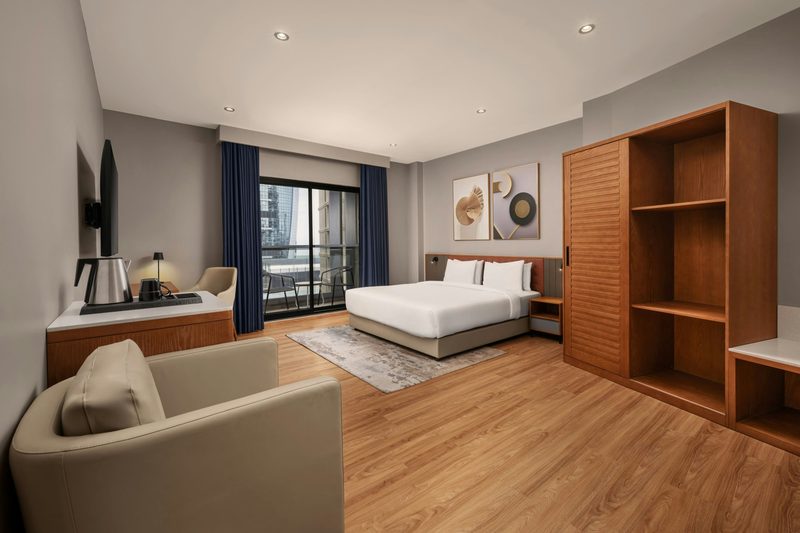
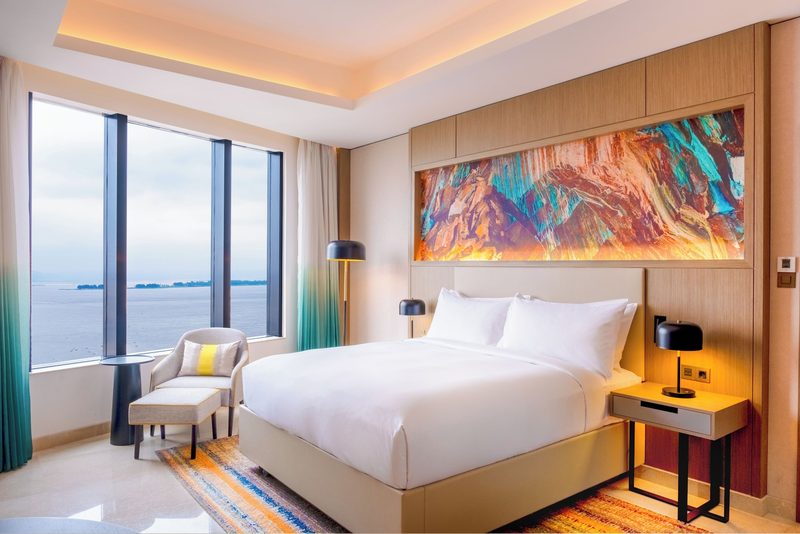
Where to Stay in Congo in January
Hand-picked hotels across price tiers for January travellers.
Public Holidays in January
Dates that affect opening hours, transport and crowds
Jour de l'An
Known in English as New Year's Day. Observed nationwide as a public holiday.
Jour de l'An
Known in English as New Year's Day. Observed nationwide as a public holiday.
Packing Checklist
Bookmark this page — your progress is saved between visits
Need the full list with shopping links?
Climate-specific gear, brand recommendations, and what to leave at home.
View Congo Packing List →Essential Tips
Insider knowledge and common pitfalls to avoid
Insider Knowledge
Congo demands a yellow fever vaccination certificate for international entry, with absolutely no exceptions whatsoever. Officials check the card at Maya-Maya Airport immigration before stamping your passport. Present no certificate and you will receive a vaccination on the spot or face denied entry. Get the jab at least ten days before travel. The WHO strictly mandates that window for immunity to develop fully. Discuss malaria prophylaxis seriously. January marks peak transmission season. Falciparum malaria, the most dangerous strain, remains endemic throughout the country. Prepare your documents now.
Brazzaville and Kinshasa sit directly across the Congo River from each other. They are the two closest national capitals in the world, roughly 1.6 km (1 mile) apart. The ferry crossing between them operates daily. If your visa situation permits, a day trip to Kinshasa adds a dramatically different city experience to a Brazzaville stay. The crossing involves bureaucracy on both sides that can consume two hours in each direction. Treat it as a full-day commitment. Skip the casual afternoon excursion plan.
Congolese rumba is background music in Brazzaville. Yet it defines the cultural bloodstream of the city. The genre originated here and in Kinshasa during the 1940s and 1950s. January weekend nights in the Bacongo and Poto-Poto quarters still fill with the sound of sebene guitar runs spilling out of open-fronted bars. The sapeurs, members of the Societe des Ambianceurs et des Personnes Elegantes, appear most prominently on Sundays when they promenade through Bacongo in tailored three-piece suits and handmade shoes despite the heat. This display of personal style remains as deliberate and considered as any you will see anywhere on the continent. Photograph without asking only if permitted. The request is almost always granted with considerable pleasure. The asking matters.
The CFA franc, pegged to the euro, is the currency, and cash remains king outside of top-tier Brazzaville hotels. ATMs exist in Brazzaville and Pointe-Noire but prove unreliable, during the power fluctuations that accompany January storms. Bring euros. Carry enough local currency for several days of expenses at any given time. Credit cards prove practically useless outside a handful of international-standard establishments. Wing it financially at your peril.
Avoid These Mistakes
Never confuse the Republic of Congo with the Democratic Republic of Congo. They are distinct countries on opposite banks of the Congo River with separate governments, visa requirements, security profiles, and travel infrastructures. Booking a flight to Kinshasa when you mean Brazzaville, or vice versa, is a mistake that costs days and significant money to fix. Capital is Brazzaville. Its airport code is BZV. Visas come separately.
Do not underestimate travel logistics beyond Brazzaville and Pointe-Noire. Congo's road network outside the two main cities is sparse and poorly maintained even in the dry season. In January, unpaved routes become impassable after heavy rains. The only reliable way to reach parks like Odzala-Kokoua is by charter flight. Book well ahead. Weather cancels flights without warning. Travelers who plan tight connections between remote locations in January are asking for trouble.
Never treat malaria prevention as optional. January's combination of heat, humidity, and standing water creates ideal breeding conditions. Falciparum malaria is present everywhere in the country at every altitude. Prophylaxis is not a suggestion. It is a medical necessity. So is physical protection: long sleeves at dusk, treated bed nets at night, repellent on every exposed surface. Skipping this because you dislike antimalarial side effects is a potentially fatal choice.
Ready to plan your trip to Congo?
Now that you've got the research covered, here's where to go next.
Explore More Activities in Congo
Didn't see anything interesting yet?
Browse Viator's full catalog of tours, day trips, food experiences, and private guides in Congo.
See All Congo Tours on Viator