Things to Do in Congo in February
February weather, activities, events & insider tips
Low Season · Budget Friendly
February Weather in Congo
Long-run averages for February in Brazzaville
89°F (31°C)
High Temp
72°F (22°C)
Low Temp
5.4 inches (137 mm)
Rainfall
82%
Humidity
12
Sunny-Day UV
⚠ Afternoon thunderstorms arrive without warning. Heavy rain falls within minutes. Lightning strikes frequently. Storms hit hard. Seek solid shelter immediately. Do not stand under isolated trees. Avoid open water completely. Electrical activity stays dangerous.
⚠ Malaria transmission peaks in the wet season. The entire country faces risk. Begin prophylaxis before arrival. Sleep under treated nets nightly. Use repellent consistently from dusk onward. Medical facilities stay extremely limited outside Brazzaville and Pointe-Noire.
⚠ Laterite roads to remote reserves and parks turn impassable. Standard vehicles struggle here. Sustained rain causes delays. Flash flooding hits low-lying road sections. This happens in February. Travel with a driver who knows alternate routes. Never attempt river crossings alone. Local guidance prevents disaster.
Is February Right for You?
Weigh the advantages and considerations before booking
Advantages
- + February sits in a slight rainfall dip between the heavier months on either side. Brazzaville averages 5.4 inches (137 mm) compared to March's 7.4 inches (188 mm) and November's punishing 10.4 inches (264 mm), which means you get stretches of clear mornings that the deeper wet-season months simply do not offer. The forest canopy is at its most saturated green, rivers run full, and the landscape feels alive in a way the dry-season brown cannot match. Worth the gamble.
- + Gorilla tracking in the Lesio-Louna Reserve and the forests around Odzala-Kokoua tends to be more productive when the wet season pushes western lowland gorillas toward open clearings, the marshy bais where they feed on aquatic herbs. February gives you a realistic chance of extended sightings without the scrum of peak dry-season visitors, and trackers report that family groups linger longer in the bais when the surrounding forest floor is saturated. Go now.
- + You will likely have major sites to yourself. Congo receives a tiny fraction of the visitors that neighboring Gabon or Cameroon attract, and February thins that number further. At the Basilique Sainte-Anne du Congo in Brazzaville, at the Poto-Poto School of Painting, along the rapids at Les Rapides where the Congo River narrows and churns white, you are often the only foreigner present. That solitude reshapes the experience entirely.
- + Fruit season is in full swing. February markets in Brazzaville overflow with mangoes, papayas, and safou, the dense purple fruit sometimes called African pear that locals roast over charcoal until the flesh turns creamy and slightly smoky. The wet season is when Congolese cooking is at its richest, with fresh palm nuts feeding the sauces that define the national kitchen. Eat everything.
Considerations
- − The humidity is relentless. At 82%, the air in Brazzaville feels thick enough to lean against, and by early afternoon the heat and moisture combine into a physical weight that slows everything down. Walking any distance between noon and 3 PM is unpleasant, and you will sweat through clothes within minutes of stepping outside any air-conditioned space. This is not a minor inconvenience. It reshapes your entire daily schedule. Plan accordingly.
- − Unpaved roads to remote parks and reserves can become impassable after heavy rains. The laterite tracks leading to Odzala-Kokoua National Park, roughly 800 km (497 miles) northwest of Brazzaville, and to Nouabale-Ndoki further north are prone to washouts in February. Charter flights exist but are expensive and weather-dependent. Plan for delays and build buffer days into any itinerary that leaves Brazzaville or Pointe-Noire. Be patient.
- − Malaria risk is elevated during the wet season across the entire country. Standing water from regular downpours creates breeding habitat, and Brazzaville's urban mosquito population spikes noticeably in February evenings. Prophylaxis is not optional, and you will want a treated bed net even in hotels that claim to have screens. The heat makes long sleeves uncomfortable, which means exposed skin and aggressive DEET application become a nightly routine. No exceptions.
Best Activities in February
Top things to do during your visit
Western Lowland Gorilla Tracking at Lesio-Louna Reserve
Lesio-Louna sits roughly 140 km (87 miles) north of Brazzaville in rolling savanna that gives way to gallery forest along river corridors, and February is one of the more rewarding months for gorilla encounters here. The reserve's semi-habituated groups tend to move toward open ground when the forest understory is waterlogged, and trackers who know the terrain can position you within 10 metres (33 feet) of a silverback feeding on wild ginger root. The air smells of wet earth and decomposing leaves, insects hum in a constant wall of sound, and when a gorilla locks eyes with you across a clearing, the silence that drops over your group is the kind you remember physically. Morning tracking starts early, around 6 AM, before the heat builds, and sessions typically run three to four hours through terrain that is muddy and slippery in February. You will get filthy. Wear boots you do not mind ruining. The reserve also runs a rehabilitation program for orphaned gorillas, and watching juveniles wrestle in the grass while their keepers look on is one of the more affecting things you can do anywhere in Central Africa. Do not miss this.
Booking Tip: Book at least six to eight weeks ahead through licensed operators who coordinate directly with the reserve management. February is low season, so permits are generally available. But the logistics of transport and accommodation near the reserve require advance planning. Check current tour options in the booking section below for packages that include ground transport from Brazzaville. Start early.
Congo River Excursions from Brazzaville
The Congo River in February runs high, brown, and fast, carrying the accumulated rainfall of the entire basin in a current so powerful you can hear it from the corniche in Brazzaville's city centre. This is the second-largest river in Africa by discharge and the deepest in the world, and standing on its banks you get a visceral sense of both facts. Pirogue excursions upriver toward Les Rapides, where the water compresses between rock outcrops and throws spray into the heavy air, are best launched in the early morning when the surface is calmer and the light catches the mist above the rapids. The river defines Brazzaville in a way that is hard to overstate: fishermen cast nets from wooden boats at dawn, women wash clothes on the sandbanks downstream, and the skyline of Kinshasa across the water shimmers in the afternoon heat haze. February's high water means some of the smaller islands and sandbars are submerged, which changes the navigable channels, so go with boatmen who know the current month's conditions. The humidity on the water is slightly more bearable than in the city, and the breeze off the surface is one of the few reliable sources of relief. Seek it out.
Booking Tip: Book river excursions through Brazzaville operators. They supply life jackets and experienced pilots. Morning departures between 6 and 7 AM give you the best conditions. Check the booking widget below for current river tour options departing from Brazzaville.
Brazzaville Cultural Walking and Market Immersion
Brazzaville rewards walking in a way that few Central African capitals do. Time it right. February mornings before 10 AM are your window. The air is warm but not yet crushing. The streets of Poto-Poto and Bacongo pulse with unscripted daily commerce. This tells you more about a place than any museum. Marche Total assaults the senses in the best way. It is a roofed labyrinth where smoked fish competes with pyramids of dried chilli peppers. The sharp green scent of freshly cut cassava leaves fills the air. These leaves are destined for saka-saka, the stewed leaf dish that appears on nearly every Congolese table. The Poto-Poto School of Painting, established in 1951 and still operating, deserves a deliberate visit. The circular gallery building itself is distinctive. The artists working inside paint in a style that grew out of this specific neighbourhood and nowhere else. Walk south into Bacongo. On a good day, you will encounter the Sapeurs, Brazzaville's legendary dandies. These men dress in tailored three-piece suits and polished shoes despite the heat. This is an act of identity and defiance that dates back decades. February's humidity means they tend to appear in the cooler late afternoon rather than midday. Catching a group posing for each other on a Bacongo side street is the kind of moment that does not get arranged for tourists.
Booking Tip: Guided cultural walks work best in neighbourhoods where signage is minimal. French or Lingala opens doors. Book a day or two ahead through operators listed in the booking section below. Morning walks starting at 7 AM avoid the worst heat.
Rainforest Trekking in the Northern Reserves
The forests of northern Congo, around Odzala-Kokoua National Park, rank among the least-visited intact rainforests on the planet. February's wet conditions make the ecosystem feel almost theatrical in its intensity. The canopy drips constantly. The understorey is a wall of green so dense that visibility drops to a few metres (10-15 feet in places). The soundscape is dominated by insects, dripping water, and the occasional crash of a branch under the weight of a colobus monkey overhead. Forest elephants leave fresh tracks in the mud along bai edges. The sucking sound of your boots pulling free from saturated clay becomes the metronome of the walk. This is demanding terrain in February. Trails flood. Leeches are present. You will be wet from rain and sweat simultaneously. But the biodiversity is staggering. The absence of other visitors means your tracker can follow animal signs without worrying about noise from other groups. The bais, natural clearings where the forest opens onto marshy grassland, are the payoff. At dawn, these clearings fill with forest buffalo, sitatunga antelope, and sometimes gorillas. All are visible from the tree line where you watch in silence.
Booking Tip: Northern reserve trips demand serious advance planning. Three to four months ahead is ideal. Logistics involve charter flights from Brazzaville and limited camp capacity. February is low season. Availability is usually better than dry-season months. See the booking section below for current expedition packages. Ensure any operator provides experienced forest guides and appropriate wet-season gear.
Pointe-Noire Coastal Exploration and Seafood Culture
Pointe-Noire, Congo's second city and economic capital on the Atlantic coast roughly 510 km (317 miles) west of Brazzaville, has a completely different texture in February. The ocean moderates the heat slightly. The breeze off the water carries the salt-and-diesel smell of a working port city. It also carries smoke from beachside grills where fishermen cook the morning catch over charcoal. The beaches here are not postcard tropical. They are wide, brown-sand stretches backed by coconut palms. In February the surf can be rough enough that swimming requires local knowledge of the currents. What Pointe-Noire does well is food. The Marche du Grand Marche and the roadside grills along the coast serve freshly caught bar and capitaine grilled whole over hardwood coals. These come with fiery piment sauce and fried plantains. The flavour of fish that was in the ocean three hours ago is something no restaurant inland can replicate. The nearby Conkouati-Douli National Park, where rainforest meets the Atlantic, protects nesting beaches for leatherback and olive ridley sea turtles. February falls outside the main nesting window. The park's lagoons and mangroves are navigable by pirogue year-round. They are lush in the wet months.
Booking Tip: Pointe-Noire is reachable by daily flights from Brazzaville or by a long and currently unreliable road. Fly. Coastal excursions and trips to Conkouati-Douli should be arranged through Pointe-Noire-based operators at least two weeks ahead. Check the booking section below for available tours.
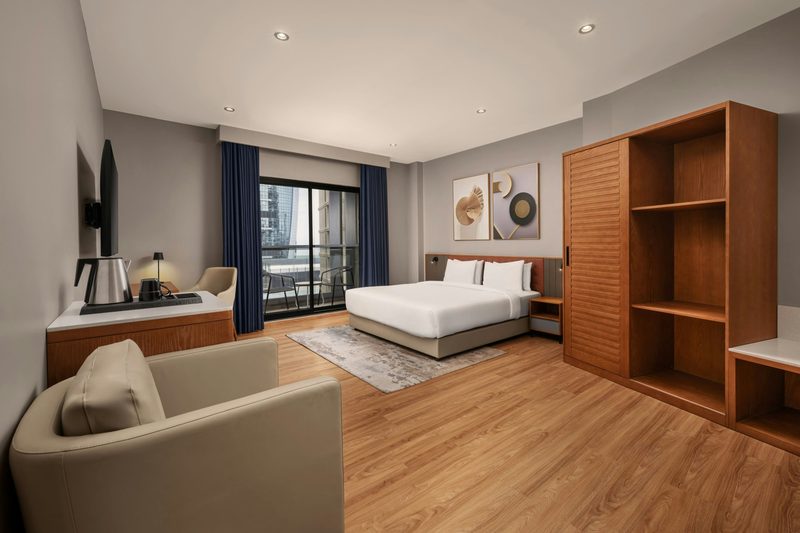
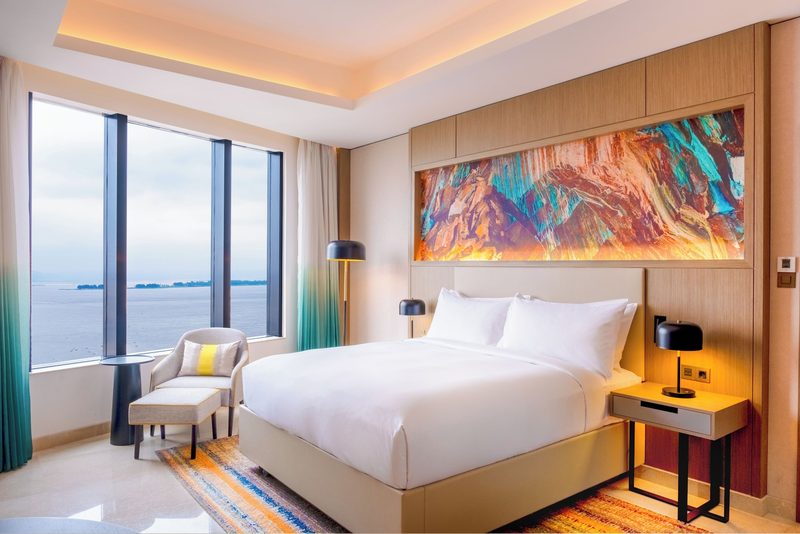
Where to Stay in Congo in February
Hand-picked hotels across price tiers for February travellers.
Packing Checklist
Bookmark this page — your progress is saved between visits
Need the full list with shopping links?
Climate-specific gear, brand recommendations, and what to leave at home.
View Congo Packing List →Essential Tips
Insider knowledge and common pitfalls to avoid
Insider Knowledge
Brazzaville's best food is not in restaurants. It is in the maquis, the informal open-air grills and cook shops that appear in residential neighbourhoods by late afternoon. A plate of poulet moambe, chicken braised in a thick palm-nut sauce until the meat falls off the bone, with a side of saka-saka, cassava leaves pounded and slow-cooked until they turn dark and silky, is the national dish done right, and the maquis of Bacongo serve it better than any hotel dining room in the city. Ask any Congolese colleague where they eat, and that is where you go. Follow locals. Eat.
French is the official language and the one you will need for any practical transaction. But Lingala is the social language of Brazzaville. Even a few phrases, a greeting of mbote, a thank you of matondi, shifts your interactions noticeably. People open up, laugh, correct your pronunciation, and suddenly you are having a conversation instead of conducting a transaction. This matters more in Congo than in most Francophone African capitals because the tourist infrastructure that smooths over language gaps elsewhere barely exists here. Learn words. Connect.
The ferry crossing between Brazzaville and Kinshasa across the Congo River is technically straightforward but bureaucratically unpredictable. You need a DRC visa arranged in advance, and immigration processing on both sides can take anywhere from twenty minutes to two hours depending on the mood and staffing of the day. Go early in the morning, carry patience, and do not schedule anything time-sensitive on the far side. The crossing itself takes roughly twenty minutes and gives you the best vantage point for the twin-capital skyline. Go early. Wait long.
Do not underestimate how small Brazzaville's tourism infrastructure currently is. There is no hop-on-hop-off bus, no widely available English-language map, no tourist information office that keeps reliable hours. This is part of the appeal but also a practical constraint. A local fixer or guide arranged before arrival is not a luxury. It is close to a necessity for anything beyond walking the city centre. The people who have the best time in Congo are the ones who accepted this before they landed. Plan ahead. Book now.
Avoid These Mistakes
Confusing the Republic of Congo with the Democratic Republic of Congo. They are different countries separated by the Congo River, with different visa requirements, different entry points, and different security situations. Brazzaville, the capital of the Republic of Congo, sits directly across the water from Kinshasa, the DRC capital, and a visa for one does not grant entry to the other. Get this wrong and you will be turned back at the border. Stay alert. Read carefully.
Packing a full itinerary with no buffer days. February rains can delay internal flights, flood roads to reserves, and cancel river excursions on short notice. Travelers who schedule back-to-back activities with no slack spend their trip stressed about logistics instead of present in the experience. Build in at least one empty day for every three planned, and treat the buffer as protection rather than wasted time. Relax often. Enjoy slow.
Assuming credit cards work outside major hotels in Brazzaville and Pointe-Noire. The economy runs on cash, specifically CFA francs, and ATM availability outside the two main cities ranges from unreliable to nonexistent. Arrive with enough euros or US dollars to exchange, carry cash securely, and do not plan on digital payments for market purchases, maquis meals, or local transport. This catches first-time visitors to Central Africa more than almost anything else. Carry cash. Use notes.
Ready to plan your trip to Congo?
Now that you've got the research covered, here's where to go next.
Explore More Activities in Congo
Didn't see anything interesting yet?
Browse Viator's full catalog of tours, day trips, food experiences, and private guides in Congo.
See All Congo Tours on Viator